
What Is Contract Manufacturing? Types and Process Guide

Contract manufacturing plays a major role in today’s global supply chain, allowing businesses to build products efficiently without owning production facilities. This guide explains what is contract manufacturing, the types available, and how the process works, helping decision-makers choose reliable production support.
Arrival Electronics Limited understands why this model continues to grow across multiple industries due to consistent quality and cost-effective production. With the right partner, businesses can maintain strong output while focusing on innovation and market strategy.
What Is Contract Manufacturing?
Contract manufacturing is a strategic partnership where a business entrusts the production of its goods to a specialized external manufacturer. Rather than investing in facilities, machinery, and labor, the company collaborates with an experienced provider equipped with the necessary expertise and advanced technology.
This approach allows businesses to accelerate time-to-market, control production costs, and maintain high-quality standards, all while minimizing operational complexity and mitigating manufacturing risks. Verified industry practices confirm that contract manufacturing supports scalability and flexibility, making it a trusted solution for many leading brands across various sectors.
Why Businesses Use Contract Manufacturing
Contract manufacturing supports businesses of all sizes, from startups to multinational corporations, by offering flexible and efficient production solutions. Key benefits include:
Access to advanced manufacturing equipment and technologies without heavy capital expenditure
Reliable, high-quality production ensured through strict process controls and industry certifications
Faster turnaround times that align with dynamic market demands and product launch schedules
Cost-effective operations by eliminating the need for in-house facilities and workforce management
Expertise from experienced manufacturing partners who understand the complexities of electronics production and supply chain integration
These advantages make contract manufacturing a proven strategy for companies seeking efficient, scalable, and quality-focused product development.
Industries That Rely on Contract Manufacturing
Understanding what contract manufacturing is helps highlight its vital role across many industries, providing specialized production expertise tailored to each sector’s unique needs:
Electronics: Printed circuit board (PCB) fabrication, assembly, and component manufacturing
Automotive: Wiring harnesses, sensors, and electronic control module
Medical Devices: Precision components and diagnostic hardware production with strict quality standards
Consumer Goods: Small appliances, accessories, and packaging solutions
Industrial Equipment: Power systems, control units, and subassembly manufacturing
With the growing complexity and technical demands of electronics production, this manufacturing model is especially crucial for product developers who require dependable component sourcing and streamlined processes. It supports faster innovation cycles while ensuring consistent quality and supply chain reliability.
Types of Contract Manufacturing
Understanding different contract manufacturing types helps businesses select the best model based on product complexity, design ownership, and production volume. Each offers unique advantages suited to varying manufacturing needs and industry standards.
1. OEM (Original Equipment Manufacturer)
OEM manufacturing involves producing products strictly according to a client’s design and specifications.
The client retains full ownership of the product design.
The manufacturer manages production and assembly.
Common in sectors like electronics, automotive, and industrial equipment, requiring precision and reliability.
2. ODM (Original Design Manufacturer)
ODM providers handle both product design and manufacturing, offering ready-to-use solutions that clients can rebrand or customize.
Ideal for businesses without in-house design teams.
Enables faster time-to-market and reduced development costs.
Widely used in electronics and consumer products industries.
3. Private Label Manufacturing
Private label manufacturing produces goods under a retailer’s brand name without the retailer’s involvement in product design.
Frequently applied in household products, consumer electronics accessories, and health and lifestyle items.
Allows brands to expand product offerings quickly while leveraging manufacturer expertise.
4. Component Manufacturing
Component manufacturing focuses on producing individual parts rather than complete products.
Includes PCBs, wiring assemblies, sensors, and electronic sub-assemblies.
Essential in high-tech industries where quality, precision, and traceability are critical.
5. Turnkey Contract Manufacturing
Turnkey manufacturing offers comprehensive, end-to-end services from design and prototyping to production, assembly, packaging, and delivery.
Provides a single-source solution for complex or high-volume projects.
Ensures seamless coordination and accountability throughout the entire manufacturing lifecycle.
These types of contract manufacturing reflect industry best practices and align with the services provided by reputable electronics supply chain and manufacturing partners. They enable businesses to reduce operational overhead, maintain product quality, and accelerate market readiness through trusted manufacturing relationships.
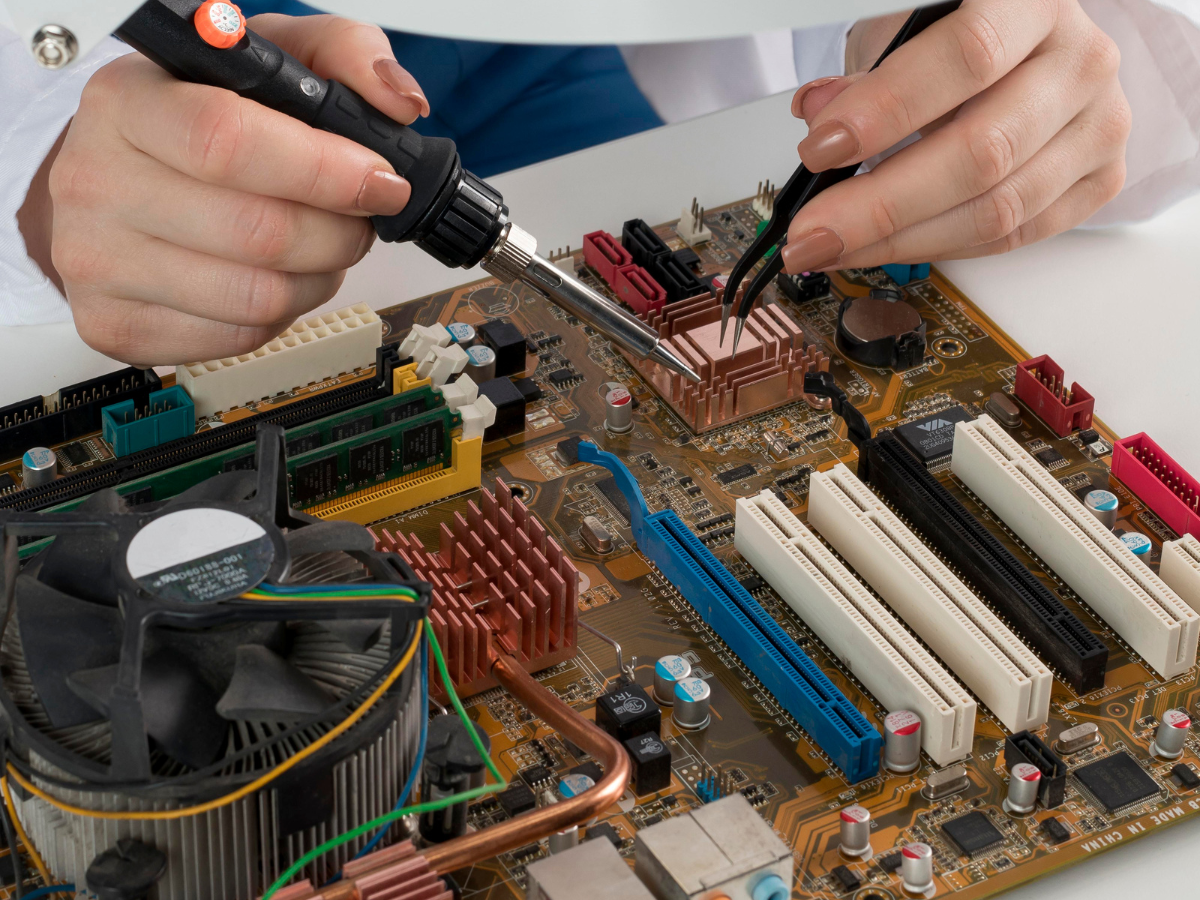
How Contract Manufacturing Works
Understanding what is contract manufacturing helps clarify the structured workflow that ensures quality, efficiency, and timely delivery. The typical process includes:
1. Requirements Discovery
The client provides detailed product requirements, technical drawings, performance targets, and material specifications. The manufacturer evaluates feasibility and may recommend design improvements or optimizations to enhance manufacturability and reduce costs.
2. Quotation and Feasibility Review
The manufacturer conducts a thorough assessment of:
Material availability and sourcing options
Production capacity and lead times
Compliance with industry standards and regulations
Logistics and delivery methods
This review results in an accurate and transparent pricing proposal based on production volume, processes, and material costs.
3. Prototype or Sample Development
Prototypes or engineering samples are developed to validate:
Physical fit and finish
Functional performance
Compliance with regulatory and quality requirements
Manufacturability and cost-effectiveness
This critical phase helps mitigate risks and confirms that the final design meets expectations before mass production begins.
4. Production Setup
Following prototype approval, the manufacturer prepares for full-scale production by:
Setting up tooling and machinery programming
Establishing quality checkpoints throughout the process
Planning supply chain logistics and inventory management
Digital tools such as traceability platforms and automated testing systems support consistent quality control and production transparency.
5. Full Production
Bulk manufacturing commences under strict quality monitoring. Advanced data-driven testing and inspection techniques verify each unit or batch. For electronics manufacturing, this typically includes:
Surface mount technology (SMT) assembly
Manual or automated soldering
Inspection methods like Automated Optical Inspection (AOI), X-ray, and functional testing
6. Packaging and Delivery
Completed products are packaged, labeled, and shipped in accordance with client specifications. Logistics partners manage local or international shipping to ensure timely and secure delivery.
This well-defined process reflects industry standards and the capabilities of trusted manufacturing partners, ensuring high-quality outcomes, reduced risks, and efficient paths to market-ready products.
Advantages of Contract Manufacturing
Contract manufacturing offers several key benefits that align with industry-leading standards and certifications.
Cost Efficiency
Outsourcing production eliminates the need for large investments in facilities, machinery, and skilled labor. Leveraging established manufacturing infrastructure and procurement networks helps reduce upfront costs and operational overhead.
High-Quality Output
Operations are conducted under rigorous quality management systems and hold important industry certifications such as AS9120B, ISO 14001, and ISO 45001. These ensure consistent product quality, full traceability, and compliance with regulatory standards in sectors like aerospace, medical, and automotive.
Speed to Market
Advanced manufacturing technologies and streamlined supply chain processes enable faster production cycles. This allows businesses to respond quickly to market demands and bring products to market more efficiently.
Technical Expertise
Contract manufacturers provide specialized engineering support, including design-for-manufacture guidance, prototyping, and testing. This expertise helps optimize production processes and improve product reliability without requiring internal resources.
Why This Matters
These advantages reflect the capabilities and quality focus of trusted contract manufacturing providers, delivering reliable, cost-effective, and high-quality production solutions that support business growth and competitive advantage.
Frequently Asked Questions
What is the purpose of contract manufacturing?
Contract manufacturing allows businesses to efficiently produce high-quality products without the need to invest in in-house production facilities or machinery.
What are the main types of contract manufacturing?
Common types include OEM (Original Equipment Manufacturer), ODM (Original Design Manufacturer), private label manufacturing, component manufacturing, and turnkey solutions.
Is contract manufacturing suitable for startups?
Yes. Contract manufacturing enables startups to bring products to market without large upfront investments in production capabilities.
What industries frequently use contract manufacturing?
Sectors such as electronics, automotive, medical devices, consumer goods, and industrial equipment commonly utilize contract manufacturing services.
How is quality controlled in contract manufacturing?
Quality is maintained through standardized manufacturing processes, rigorous quality audits, automated inspection methods like AOI and X-ray, and adherence to certifications such as AS9120B and IATF 16949.
Planning Your Production Strategy
Contract manufacturing provides businesses with a reliable way to produce high-quality products without building production facilities. Understanding what is contract manufacturing, its types, and process steps helps companies choose partners that meet industry requirements, quality standards, and volume needs.
Arrival Electronics Limited supports clients seeking dependable supply chain management for electronics, ensuring that components and production processes align with industry demands. For tailored electronic sourcing and manufacturing support, visit arrivalelectronics.co.uk.
