
How does PCB manufacture work from design to final assembly?
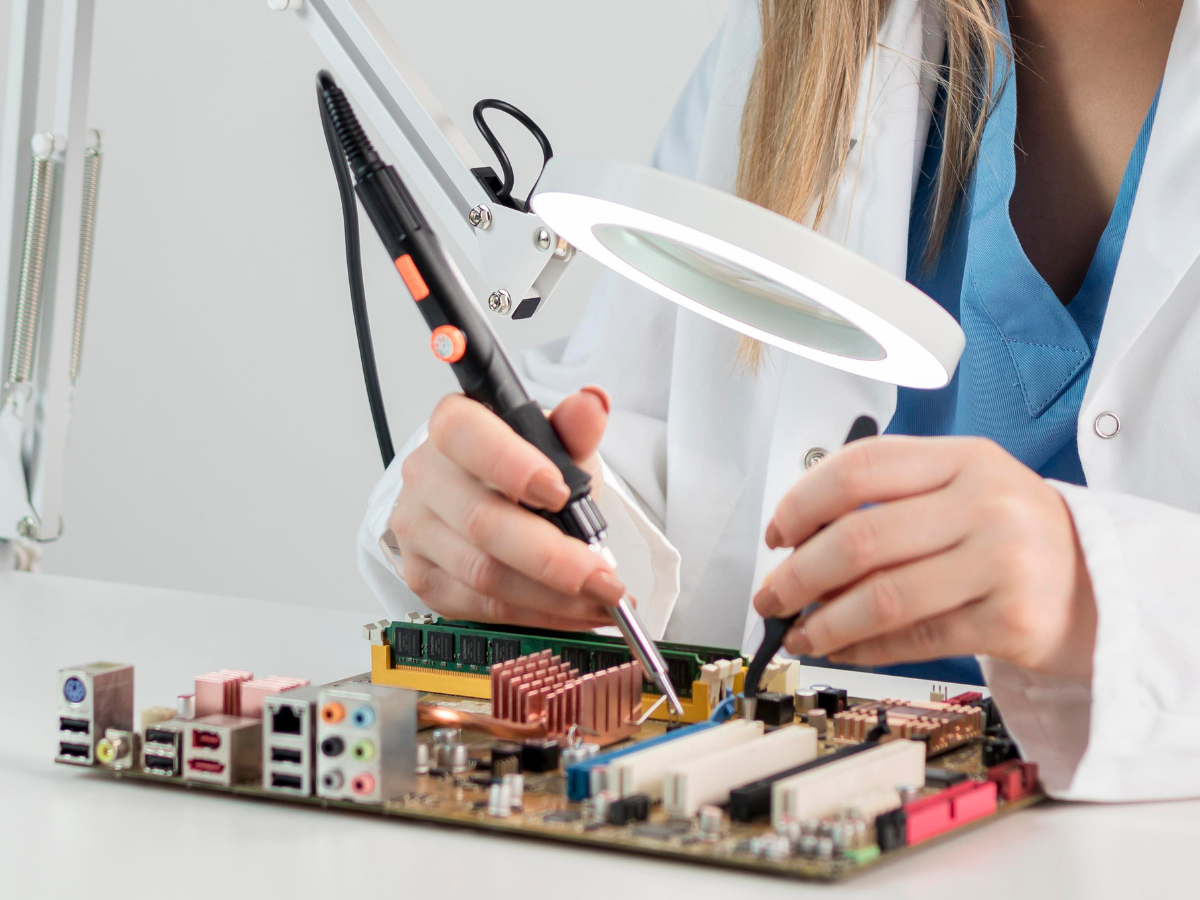
This article walks through how pcb manufacture progresses from circuit design to final assembly while highlighting capabilities, engineering checks, material options, quality controls, and manufacturing flexibility available to customers working with Arrival Electronics Limited.
Before boards are fabricated, an engineering review considers stack-ups, materials, impedance control, and design for manufacturability to reduce risks and improve cost efficiency. Customers can choose from simple single- and double-sided boards to complex HDI, multilayer, flex, and flex-rigid builds, with options for prototypes, quick-turn batches, or full production runs matched to vetted UK and offshore manufacturing partners.
What PCB Manufacture Actually Includes
PCB manufacture primarily involves the fabrication of the bare printed circuit board. This includes producing high-quality single-sided, double-sided, multilayer, HDI, flex, and flex-rigid boards tailored to exact customer specifications.
The process supports a wide range of needs, from one-off prototypes to full production volumes, with options for UK-based or offshore manufacturing to balance cost, quality, and lead time. Flexible manufacturing options allow for efficient handling of diverse project sizes and timelines, providing reliable solutions for every stage of development.
Step 1: PCB Design and Technical Preparation
Before production begins, PCB design services include a structured design and engineering process that covers:
PCB layout and schematic capture
Design reviews
Design for Manufacture/Assembly/Test
These services help ensure the design is suitable for procurement, manufacturing, and testing, preparing it for efficient production.
Step 2: Choosing the Manufacturing Route
Manufacturing is supported through a global network combined with UK-based accountability and support, enabling flexibility for different production needs:
Supports a range of production volumes, from one-off prototypes to full production runs
Jobs are matched to the most suitable UK or offshore fabrication partner
UK-based support simplifies communication and logistics, eliminating language and customs issues
Multiple trusted fabrication partners ensure supply chain stability, even during peak demand
This approach combines access to a global manufacturing network with UK-based support to ensure smooth communication and reliable PCB production.
Step 3: PCB Fabrication Process
After the design passes review and manufacturing partner allocation, fabrication begins with a broad range of technical capabilities, including:
Technical Specifications
Layers: 1 to 26
Board thickness: 0.3 to 5.0 mm
Copper thickness: 0.3 to 6.0 oz
Minimum drilling diameter: 0.1 mm
Minimum trace width: 0.075 mm
Maximum board size: 600 x 860 mm
Aspect ratio: 12:1
Impedance tolerance: +/-8%
These specifications support a wide range of PCB types, including:
Single-sided and double-sided boards
Complex HDI (High-Density Interconnect)
Multilayer boards
Flex and flex-rigid constructions
All manufactured to exact customer specifications.
Materials Offered
Manufacturing supports a wide range of laminate materials:
Low, mid, and high Tg laminates
Mid-loss and low-loss materials
Trusted brands including ShengYi, Kingboard, Ventec, Isola, Rogers, and Panasonic
Special Processes Supported
Advanced manufacturing processes include:
HDI blind and buried vias
Microvias
Back drilling and depth drilling
Long, short, and graded gold finger plating
Electro-plated via fill
Mechanical blind holes
Flex and flex-rigid PCB builds
Controlled impedance boards
Multilayer mixed-material constructions
Step 4: PCB Assembly and Final Integration
The company offers PCB assembly services as part of its full electronic manufacturing solutions. These services include:
PCB assembly and full product build for prototypes through serial volumes
Complex SMT assemblies, high‑density PCBs, box build, and testing
Turnkey manufacturing that combines assembly with other production processes
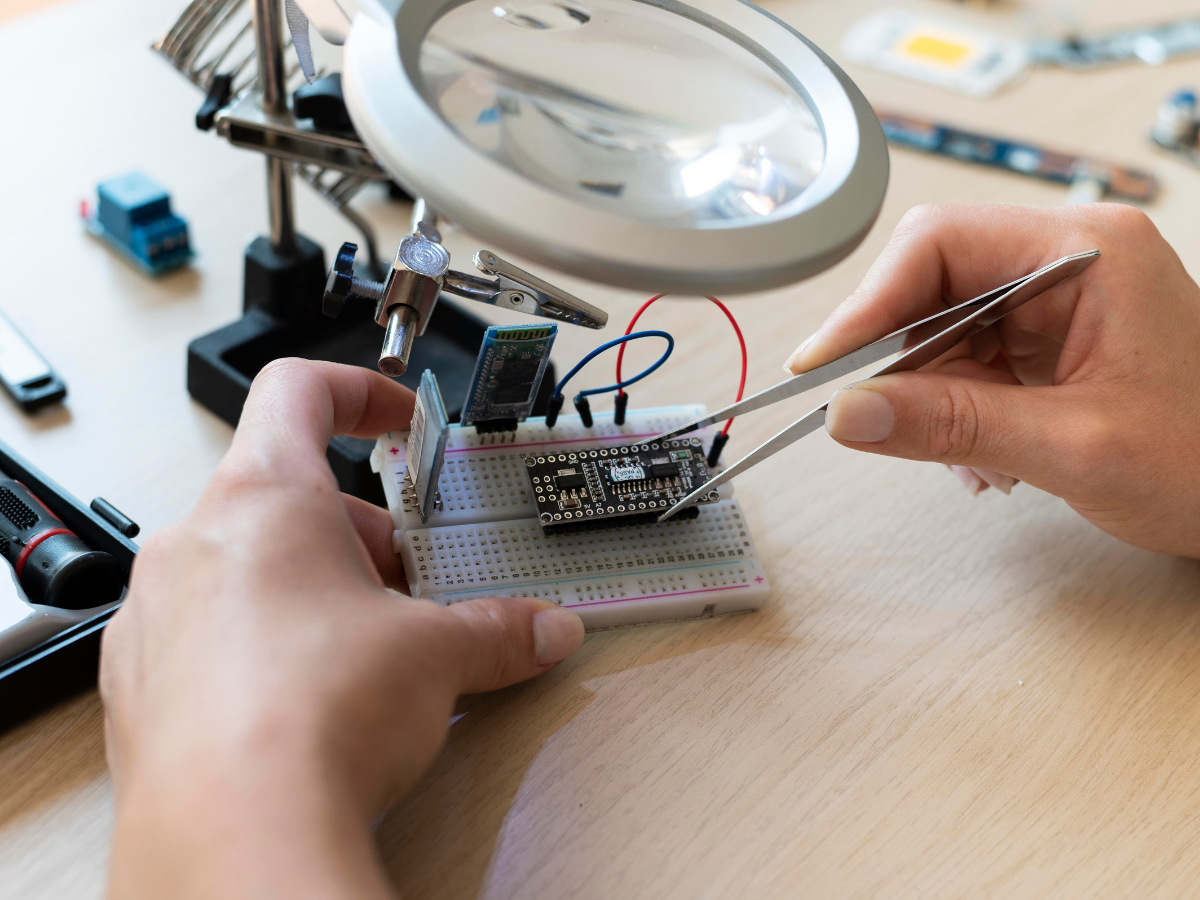
PCB assemblies are produced in controlled environments with quality assurance measures and testing capabilities built into the manufacturing workflow.
Quality Assurance and Compliance
Maintains internationally recognised certifications, including AS9120B and ISO 9001
Complies with additional standards such as ISO 14001 and ISO 45001
Meets industry quality requirements for automotive and medical sectors
Adheres to inspection standards like IPC-A-610 for electronic assembly workmanship
Implements rigorous supplier assessment and traceability processes
Conducts continuous audits and quality reviews to ensure consistent product reliability
Why This Approach to PCB Manufacture Stands Out
Key value points based on verified website content:
UK‑based support and technical communication as part of the electronic manufacturing services offering
Support for production from fast‑turn prototypes through to serial volumes
Engineering expertise included through PCB design and electronic engineering services
Cost‑effective manufacturing solutions tailored to customer requirements
Supply chain support including component kitting and procurement services
This model delivers:
flexibility to support different production volumes, from prototype to full production
quality assurance backed by internationally recognised standards and certifications
Key PCB Manufacturing Capabilities
The PCB manufacturing service supports a wide range of board technologies, including:
Single & double‑sided PCBs
Complex HDI boards
Multilayer PCBs
Flex and flex‑rigid constructions
These capabilities reflect the breadth of PCB types that can be manufactured to meet differing design and application requirements.
Helpful Answers on PCB Manufacture
Q1. What types of PCBs can be manufactured?
A1. Single-sided, double-sided, multilayer, HDI, flex, and flex-rigid PCBs can be produced to exact customer specifications.
Q2. Can both prototypes and full production runs be supported?
A2. Yes, manufacturing is available from one-off prototypes through full-scale production volumes.
Q3. Do the boards meet key industry quality standards?
A3. Yes, all boards undergo rigorous quality checks, including additional inspections by UK-based engineering teams to ensure reliability and compliance
Q4. Is offshore PCB manufacturing available?
A4. Yes, offshore manufacturing is available while maintaining local UK accountability for communication and logistics.
Q5. What is included in engineering support?
A5. Engineering reviews cover stack-ups, materials, impedance control, and DFM analysis.
Step Into Reliable PCB Solutions
PCB manufacturers, from design through final assembly, involve rigorous engineering checks, material selection, reliable fabrication, and tested supply chain processes. Arrival Electronics Limited provides UK-based technical support combined with pre-vetted global manufacturing partners, covering everything from prototypes to mass production with high-reliability PCB technology. This comprehensive approach ensures consistent quality and on-time delivery tailored to each project’s specific needs. Customers benefit from seamless communication, cost-effective solutions, and manufacturing flexibility at every stage.
To discuss a project or request pricing, visit:
arrivalelectronics.co.uk
